

Smart Home Integration Bulgaria 2026 | Technology Guide
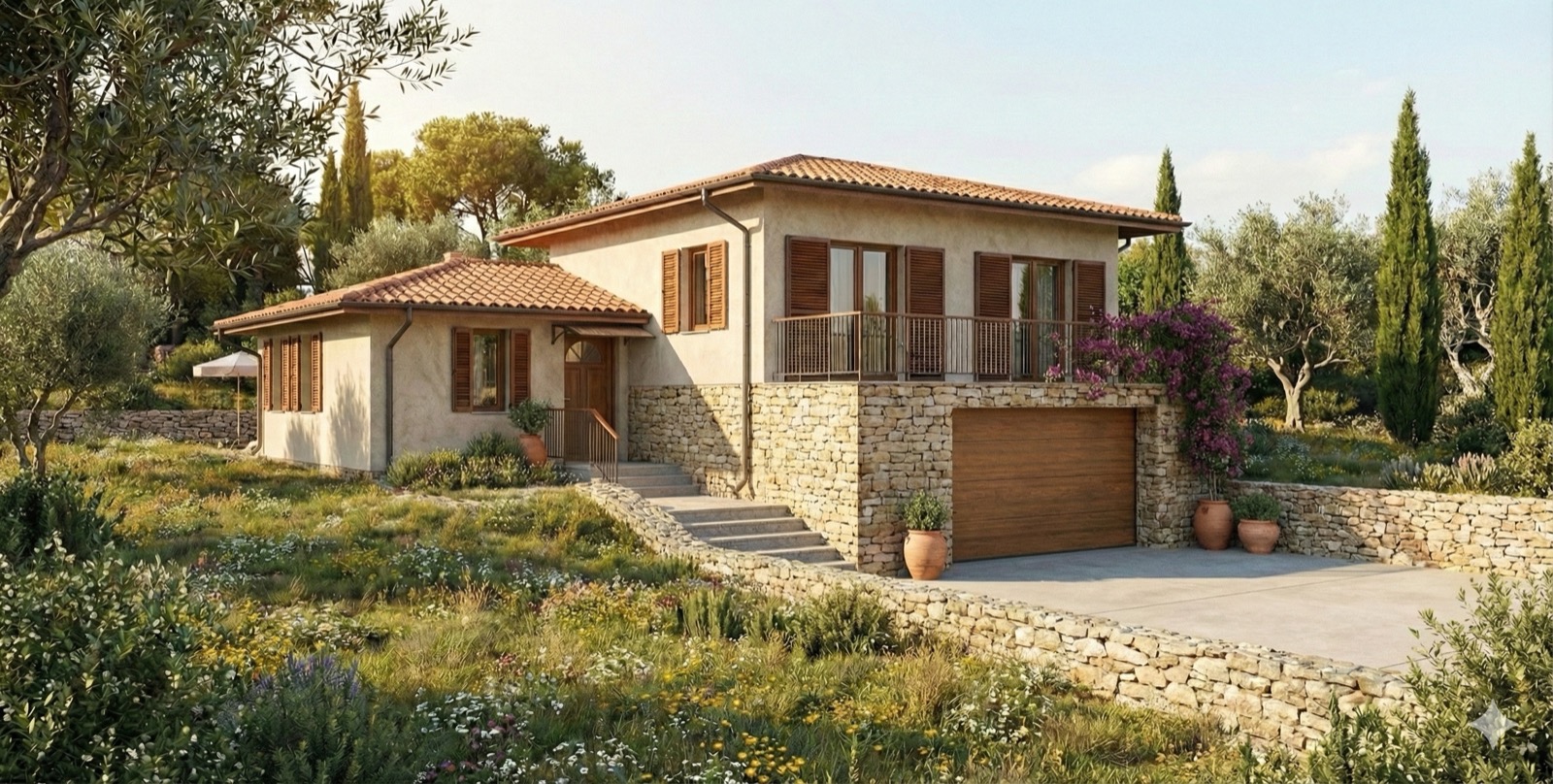
Modern homes increasingly integrate smart technology for convenience, security, and energy efficiency. Planning for smart systems during construction is far easier and more effective than retrofitting later.
This guide covers smart home options for new construction in Bulgaria.
Why Plan Smart During Construction?
Infrastructure Advantage
Building new offers unique opportunities:
- Wiring installed behind walls
- Conduit for future cables
- Proper power outlet placement
- Network infrastructure built-in
- No retrofit costs or visible cables
Cost Efficiency
Doing it right from the start:
- 50-70% cheaper than retrofitting
- Better cable management
- Professional installation during construction
- Integrated design decisions
- Future-proofed infrastructure
Flexibility
Prepare for evolving technology:
- Conduit allows cable upgrades
- Proper electrical capacity
- Network-ready throughout
- Modular system growth
- Adapt as technology changes
Smart Home Systems Overview
Lighting Control
Automated lighting options:
Basic:
- Smart bulbs (WiFi-connected)
- No rewiring needed
- Limited to bulb locations
- €10-30 per bulb
Intermediate:
- Smart switches (replace standard)
- Works with any bulbs
- Wall-mounted control
- €30-80 per switch
Advanced:
- Centralized system (KNX, Loxone)
- Professional programming
- Scenes and automation
- €100-300 per circuit
Benefits:
- Energy savings (automated off)
- Convenience (voice, app control)
- Security (simulate presence)
- Ambiance (scene setting)
Climate Control
Smart heating and cooling:
Smart thermostats:
- Learn your schedule
- Remote control
- Zone management
- €100-300 per zone
Integration with:
- Heat pumps (common in Bulgaria)
- Underfloor heating
- Split systems
- Radiator valves
Benefits:
- 15-25% energy savings typical
- Consistent comfort
- Pre-heating before arrival
- Away mode savings
Security Systems
Protection and monitoring:
Video surveillance:
- IP cameras (indoor/outdoor)
- Cloud or local recording
- Motion detection alerts
- €50-200 per camera
Alarm systems:
- Motion sensors
- Door/window contacts
- Siren and notification
- €500-2,000 complete system
Smart locks:
- Keypad or phone entry
- Temporary codes for guests
- Entry log
- €150-400 per lock
Smart doorbells:
- Video intercom
- Remote communication
- Package detection
- €100-300
Energy Management
Optimize consumption:
Smart metering:
- Real-time consumption data
- Cost tracking
- Usage patterns
- €100-300
Solar integration:
- Production monitoring
- Consumption optimization
- Battery management
- Grid export control
Smart plugs:
- Outlet-level control
- Energy monitoring
- Scheduling
- €15-40 per plug
Entertainment
Integrated audio/video:
Multi-room audio:
- Whole-house music
- Different zones
- Streaming integration
- €200-500 per zone
Home cinema:
- Projector/TV integration
- Automated screens
- Lighting scenes
- Varies widely
Infrastructure Planning
Network Requirements
Foundation for smart home:
Wired network:
- Cat6 or Cat6a cable minimum
- One run per room (minimum)
- Central patch panel location
- Future-proof investment
WiFi infrastructure:
- Mesh system placement
- Access point locations
- Proper coverage design
- Conduit for upgrades
Recommended locations:
- Living room (2+ ports)
- Bedrooms (1 port each)
- Office (2+ ports)
- Utility room (router/server)
Electrical Considerations
Power for smart systems:
Additional outlets:
- Plan more than standard
- USB ports in key locations
- Outdoor outlets for cameras
- Utility room for equipment
Dedicated circuits:
- Home automation equipment
- Network equipment
- Security system
- Solar/battery if applicable
Smart-ready switches:
- Neutral wire requirement
- Deep switch boxes
- Clear labeling
Conduit Planning
For future flexibility:
Install conduit:
- Between floor and ceiling
- To external camera locations
- To sensor positions
- To central locations
Size appropriately:
- 20-25mm for most runs
- Pull string installed
- Access points marked
System Architecture Options
DIY/Consumer Systems
For hands-on homeowners:
Platforms:
- Google Home/Nest
- Amazon Alexa
- Apple HomeKit
- Home Assistant (advanced)
Pros:
- Lower initial cost
- Self-installable
- Wide device compatibility
- Continuous updates
Cons:
- Less reliable
- Cloud dependency
- Multiple apps possible
- Limited integration
Cost: €500-3,000 typical
Professional Systems
For comprehensive automation:
Platforms:
- KNX (industry standard)
- Loxone (popular in Europe)
- Control4
- Crestron (high-end)
Pros:
- Highly reliable
- Local processing
- Deep integration
- Professional support
Cons:
- Higher cost
- Professional installation
- Proprietary elements
- Less DIY flexibility
Cost: €5,000-30,000+ depending on scope
Hybrid Approach
Best of both worlds:
- Professional core infrastructure
- Consumer devices for flexibility
- Interoperability focus
- Gradual expansion possible
Regional Considerations
Internet Availability
Smart homes need connectivity:
Urban areas:
- Fiber increasingly available
- Multiple provider options
- Reliable connections
- Good for cloud systems
Rural areas:
- Mobile internet (4G/5G)
- Starlink satellite option
- Local processing important
- Offline fallback essential
For properties near Troyan or rural areas, plan for variable connectivity.
Power Reliability
Prepare for outages:
- UPS for critical systems
- Battery backup for security
- Graceful degradation design
- Manual override capability
Climate Factors
Bulgarian conditions:
- Outdoor cameras: Weather-rated
- Temperature extremes: Quality equipment
- Lightning protection: Surge suppressors
- Mountain areas: Extra weatherproofing
Budget Planning
Infrastructure Investment
During construction (recommended):
| Component | Budget |
|---|---|
| Network cabling | €500-1,500 |
| Conduit installation | €300-800 |
| Additional electrical | €500-1,500 |
| Central cabinet | €200-500 |
| Total infrastructure | €1,500-4,300 |
System Costs
Phased implementation possible:
| System | Basic | Comprehensive |
|---|---|---|
| Lighting | €500-1,500 | €2,000-5,000 |
| Climate | €300-800 | €1,500-3,000 |
| Security | €500-1,500 | €2,000-5,000 |
| Entertainment | €300-1,000 | €2,000-8,000 |
| Energy management | €200-500 | €1,000-3,000 |
Phased Approach
Start small, expand later:
-
Phase 1 (during construction):
- Infrastructure (cables, conduit)
- Network foundation
- Smart-ready electrical
-
Phase 2 (move-in):
- Climate control
- Basic lighting
- Essential security
-
Phase 3 (later):
- Entertainment
- Advanced automation
- Additional sensors
Our Plans and Smart Integration
Our designs accommodate smart technology:
C-101 (80m²):
- Compact size suits simple systems
- Open plan for easy coverage
- Network hub in utility area
- View C-101 →
C-102 (97m²):
- Room for distributed systems
- Utility room for equipment
- Multiple zone capability
- View C-102 →
Larger plans:
- Comprehensive automation scope
- Multi-zone climate
- Distributed audio ready
- Advanced security options
Frequently Asked Questions
Is smart home technology worth the investment?
For energy management and security, often yes—payback through savings and convenience. Entertainment and luxury automation are personal value decisions.
Can I add smart features after construction?
Yes, but it’s more expensive and may require visible wiring. Installing infrastructure during construction is significantly cheaper.
What about technology obsolescence?
Focus on infrastructure (cables, conduit) that’s technology-agnostic. Devices will change, but good wiring lasts decades. Choose open protocols where possible.
Do smart homes work during internet outages?
Well-designed systems should function locally. Core features (lighting, climate, security) should work without internet. Cloud-dependent systems are more vulnerable.
What’s the minimum smart home setup?
Climate control (smart thermostat) and basic security (cameras, alarm) offer the best value. Network infrastructure is the essential foundation.
Future-Proof Your Home
Planning smart infrastructure during construction costs little but enables much. Even if you start with basic systems, proper infrastructure allows expansion as technology evolves and budgets allow.
Your next steps:
- Browse modern house plans — adaptable for smart tech
- Consider your automation priorities
- Plan infrastructure during design phase
- Contact Architect Miglena for smart-ready design advice
All plans include 15% discount—build your technology-ready Bulgarian home today.