

Sustainable Building Bulgaria 2026 | Eco-Friendly Construction Guide
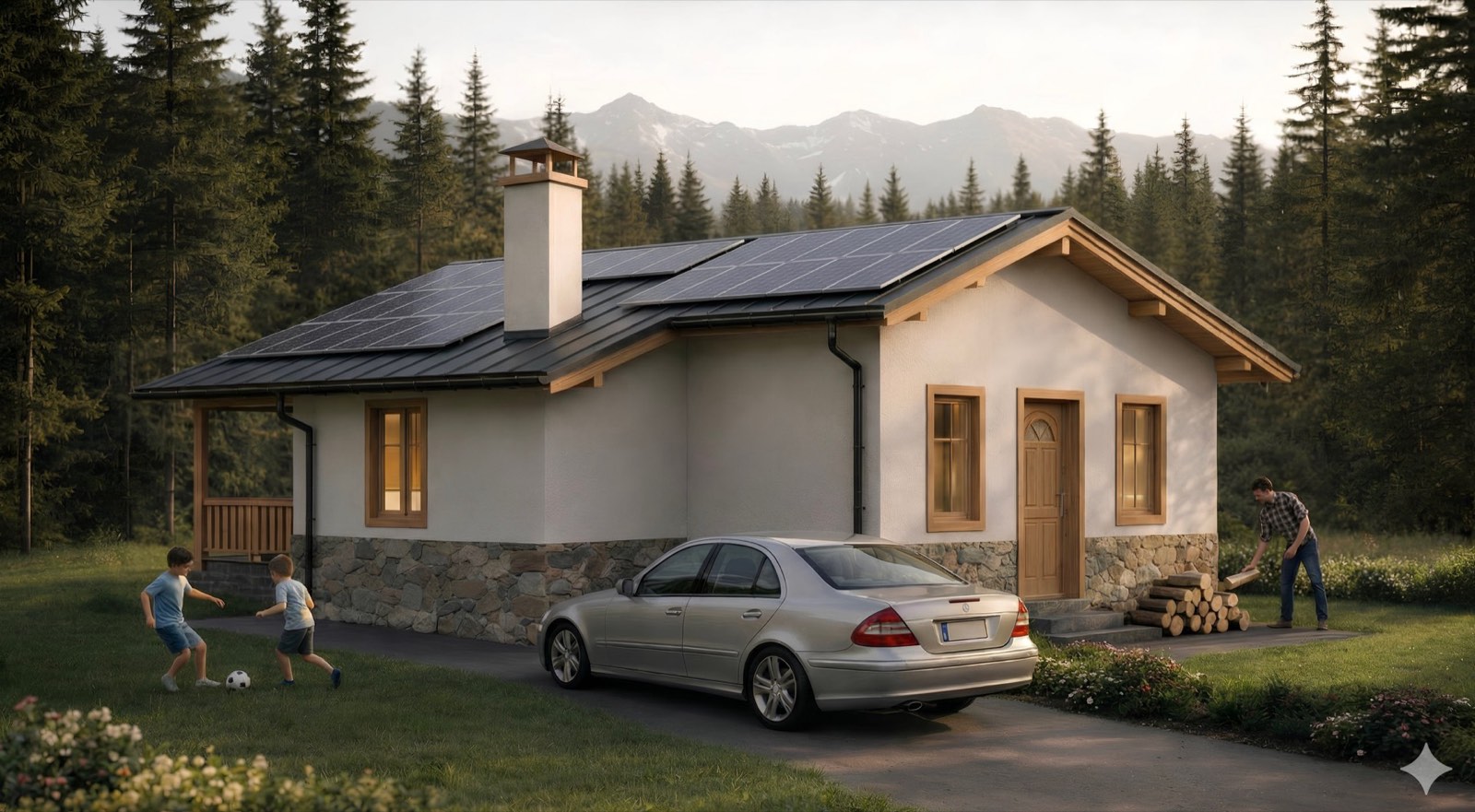
Building sustainably in Bulgaria combines environmental responsibility with practical benefits: lower energy costs, healthier living spaces, and homes that retain value as efficiency becomes increasingly important.
This guide covers sustainable building approaches for new home construction in Bulgaria.
Browse Eco-Friendly House Plans →
Why Build Sustainably?
Environmental Impact
Buildings significantly affect the environment:
- 40% of global energy consumption
- 36% of CO2 emissions
- Resource extraction for materials
- Construction waste generation
Personal Benefits
Sustainable homes offer:
- 30-60% lower energy costs
- Better indoor air quality
- More consistent comfort
- Reduced maintenance
- Higher resale value
Future-Proofing
Environmental regulations tightening:
- Energy efficiency requirements increasing
- Carbon pricing expanding
- Buyers increasingly value efficiency
- Stay ahead of requirements
Passive Design Principles
Orientation
Maximize natural advantages:
South-facing windows:
- Capture winter sun for heating
- Deep overhangs shade summer sun
- Reduce heating costs 20-30%
- Free passive heating
Minimize north-facing glass:
- Reduces heat loss
- Still provides diffused light
- Small windows sufficient
Buffer spaces north:
- Utility rooms, storage on north
- Reduces heating demand
- Protects living spaces
Thermal Mass
Use mass to regulate temperature:
Heavy materials inside:
- Concrete floors
- Stone or brick walls
- Thermal mass stabilizes temperature
- Cool in summer, warm in winter
Insulation outside:
- Keeps mass inside conditioned space
- More effective thermal regulation
- Protects structure
Natural Ventilation
Reduce cooling needs:
Cross ventilation:
- Operable windows on opposite sides
- Air flows through naturally
- Comfortable summer nights
- Reduced AC dependency
Stack effect:
- High windows or clerestory
- Hot air exits at top
- Cool air drawn in low
- Passive cooling
Daylighting
Reduce artificial lighting:
Window placement:
- Optimize for natural light
- Reduce electricity consumption
- Better visual comfort
- Healthier spaces
Light shelves:
- Bounce light deeper into rooms
- Reduce glare
- Even illumination
Sustainable Materials
Local and Natural
Prioritize local sourcing:
Benefits:
- Reduced transport emissions
- Supports local economy
- Often better suited to climate
- Traditional knowledge
Bulgarian options:
- Local stone (abundant)
- Local timber (properly sourced)
- Local brick/block
- Traditional lime plaster
Recycled and Reclaimed
Second-life materials:
Options:
- Recycled steel
- Reclaimed timber
- Recycled insulation
- Salvaged fixtures
Considerations:
- Quality verification
- Structural certification
- Aesthetic character
- Cost comparison
Low-Embodied Energy
Choose materials with low production energy:
| Material | Embodied Energy |
|---|---|
| Wood | Low |
| Stone | Low |
| Brick | Medium |
| Concrete | Medium-High |
| Steel | High |
| Aluminum | Very High |
Healthy Materials
Indoor air quality focus:
Avoid:
- High-VOC paints/finishes
- Formaldehyde-containing products
- Synthetic insulation off-gassing
- Untested imported materials
Choose:
- Natural paints and oils
- Wool or cellulose insulation
- Solid wood (not engineered with adhesives)
- Certified low-emission products
Energy Efficiency
Insulation Excellence
Beyond code minimum:
Walls:
- 150-200mm insulation
- R-value 4-6 m²K/W
- Continuous insulation layer
- Thermal bridge elimination
Roof:
- 200-300mm insulation
- R-value 6-10 m²K/W
- Proper ventilation above
- Air sealing critical
Foundation:
- Perimeter insulation
- Under-slab insulation
- Moisture protection
- Thermal break at walls
Airtightness
Eliminate uncontrolled air leakage:
Target:
- Blower door test: <3 ACH50
- Better: <1.5 ACH50
- Passive house: <0.6 ACH50
Key areas:
- Window/door frames
- Electrical penetrations
- Pipe penetrations
- Wall/roof junctions
Windows
High-performance glazing:
Specifications:
- Triple glazing recommended
- Low-E coatings
- Argon or krypton fill
- Warm-edge spacers
- U-value <1.0 W/m²K
Water Conservation
Rainwater Harvesting
Capture and use:
Applications:
- Garden irrigation
- Toilet flushing
- Laundry (with treatment)
- Reduces municipal demand
Components:
- Roof collection (good quality)
- First-flush diverter
- Storage tank (underground or above)
- Pump and filtration
Cost: €1,500-5,000 depending on system size
Greywater Reuse
Recycle household water:
From:
- Showers and baths
- Bathroom sinks
- Washing machines
To:
- Landscape irrigation
- Toilet flushing (with treatment)
Considerations:
- Separation plumbing during construction
- Treatment requirements
- Regulatory compliance
Efficient Fixtures
Reduce consumption:
- Low-flow showerheads
- Dual-flush toilets
- Aerating faucets
- Efficient appliances
Renewable Energy Integration
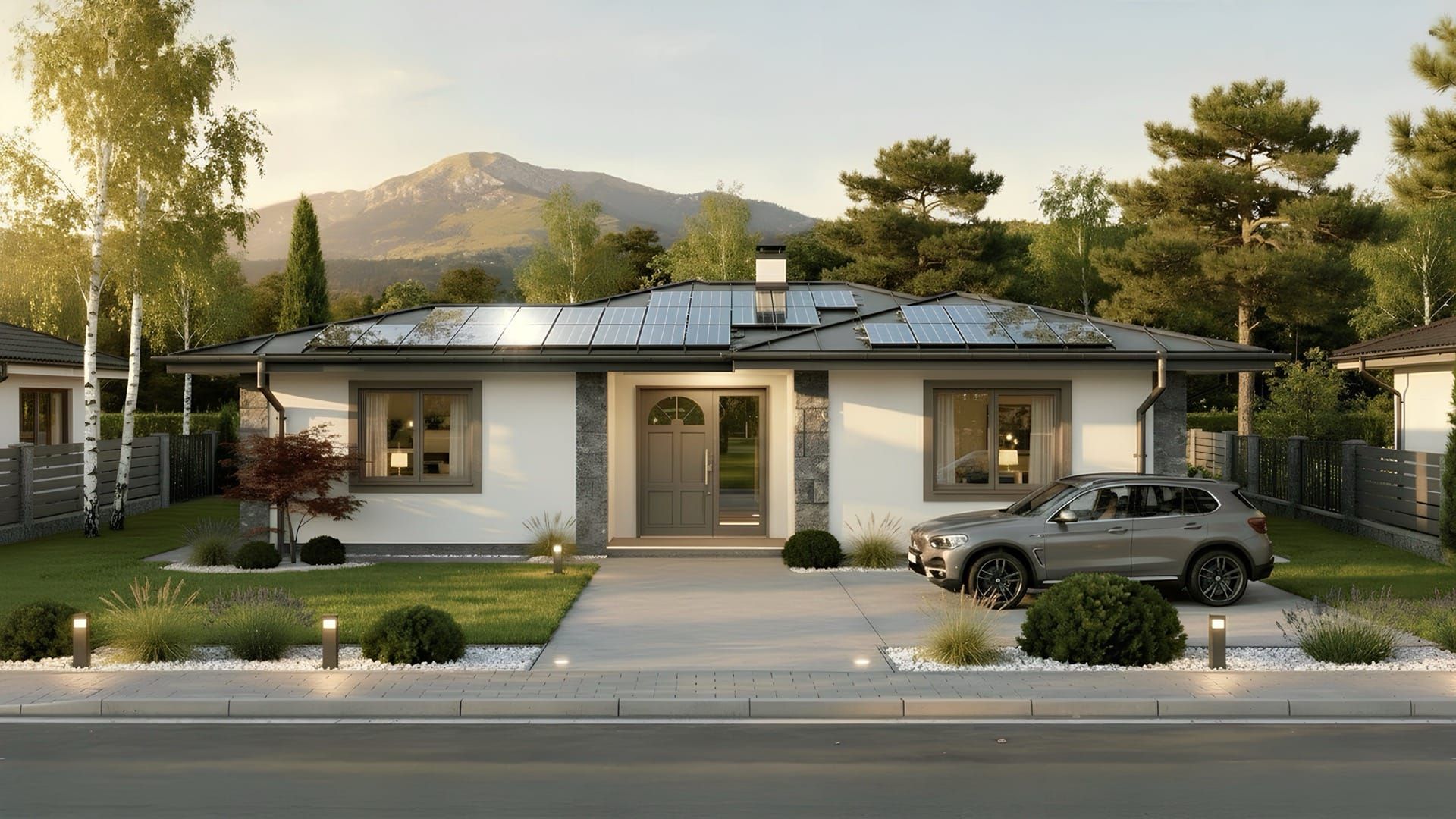
Solar Photovoltaic
Electricity generation:
- Bulgaria has excellent solar resource
- System pays back in 5-7 years
- 25+ year panel lifespan
- Net metering available
Integration:
- Design roof for optimal orientation
- Plan electrical capacity
- Size for energy needs
Solar Thermal
Hot water heating:
- Heat water directly from sun
- 60-80% of hot water demand
- Simple, reliable technology
- Lower cost than PV
Heat Pumps
Efficient heating and cooling:
- 3-5x more efficient than electric
- Pairs well with solar PV
- Provides heating and cooling
- Long lifespan
Waste Reduction
During Construction
Minimize construction waste:
Design strategies:
- Modular dimensions
- Standard material sizes
- Prefabrication where possible
- Accurate quantity ordering
Site practices:
- Waste separation
- Recycling arrangements
- Reuse of cutoffs
- Clean site management
Living Waste Management
Ongoing sustainability:
Composting:
- Garden composting area
- Reduces organic waste
- Creates soil amendment
- Space in garden design
Recycling:
- Adequate storage space
- Separation convenience
- Plan during design
Regional Sustainable Considerations
Mountain Areas
For Troyan or Bansko:
- Higher insulation standards
- Wood fuel availability
- Natural cooling less critical
- Snow for passive design
Coastal Areas
- Cooling priority
- Sea breeze utilization
- Salt-air material resistance
- Humidity management
Central Regions
For Plovdiv or Stara Zagora:
- Balance heating and cooling
- Good solar resource
- Thermal mass valuable
- All strategies applicable
Costs and Savings
Additional Investment
Sustainable features cost more initially:
| Feature | Additional Cost | Payback Period |
|---|---|---|
| Extra insulation | €2,000-5,000 | 5-10 years |
| High-performance windows | €2,000-4,000 | 7-12 years |
| Solar PV (5kW) | €5,000-7,000 | 5-7 years |
| Rainwater system | €1,500-3,000 | 10-15 years |
| Heat pump | €3,000-5,000 | 5-8 years |
Operating Savings
Annual savings potential:
- Heating: €300-800/year
- Cooling: €100-300/year
- Electricity: €500-1,200/year (with solar)
- Water: €100-200/year
Total potential: €1,000-2,500/year in savings
Our Sustainable Plans
Our designs support sustainable building:
C-101 (80m²):
- Compact, efficient footprint
- Can orient for passive solar
- Easy to insulate well
- Low energy demand size
- View C-101 →
C-102 (97m²):
- Efficient single-story layout
- Large south windows possible
- Thermal mass-ready floor
- Cross-ventilation designed
- View C-102 →
Frequently Asked Questions
Is sustainable building more expensive?
Typically 10-20% higher initial cost, but operational savings often provide payback within 5-10 years. After payback, savings continue for the building’s life.
What certifications exist in Bulgaria?
While Passive House certification is available, many builders focus on practical sustainability without formal certification. Energy performance certificates are mandatory.
Can I build sustainably with self-build?
Absolutely. Under-100m² self-build is compatible with sustainable approaches. Many techniques are DIY-friendly: insulation, air sealing, natural finishes.
What’s the single most important sustainable choice?
Insulation and airtightness. A well-insulated, airtight building envelope is the foundation for all other efficiency measures.
Should I prioritize solar panels or insulation?
Insulation first. Reducing demand is more effective than increasing supply. A well-insulated home needs smaller solar system.
Build for the Future
Sustainable building creates homes that are comfortable, affordable to operate, and increasingly valuable. With Bulgaria’s climate and resources, sustainable choices are both practical and impactful.
Your next steps:
- Browse eco-friendly house plans — designed for efficiency
- Prioritize passive design strategies
- Consider renewable energy integration
- Contact Architect Miglena for sustainable design guidance
All plans include 15% discount—build your sustainable Bulgarian home today.