

Traditional Bulgarian House Design 2026 | Revival Architecture Guide
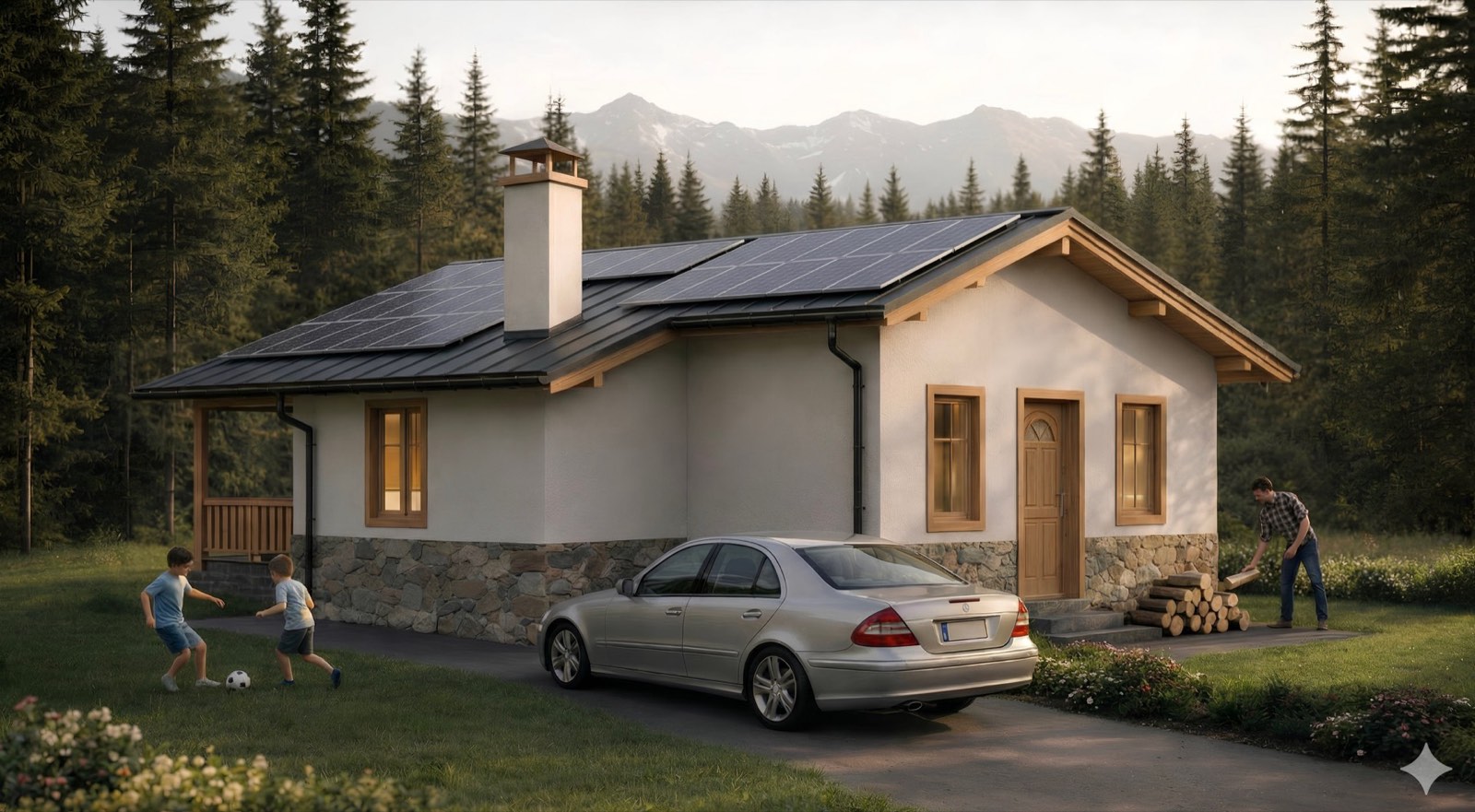
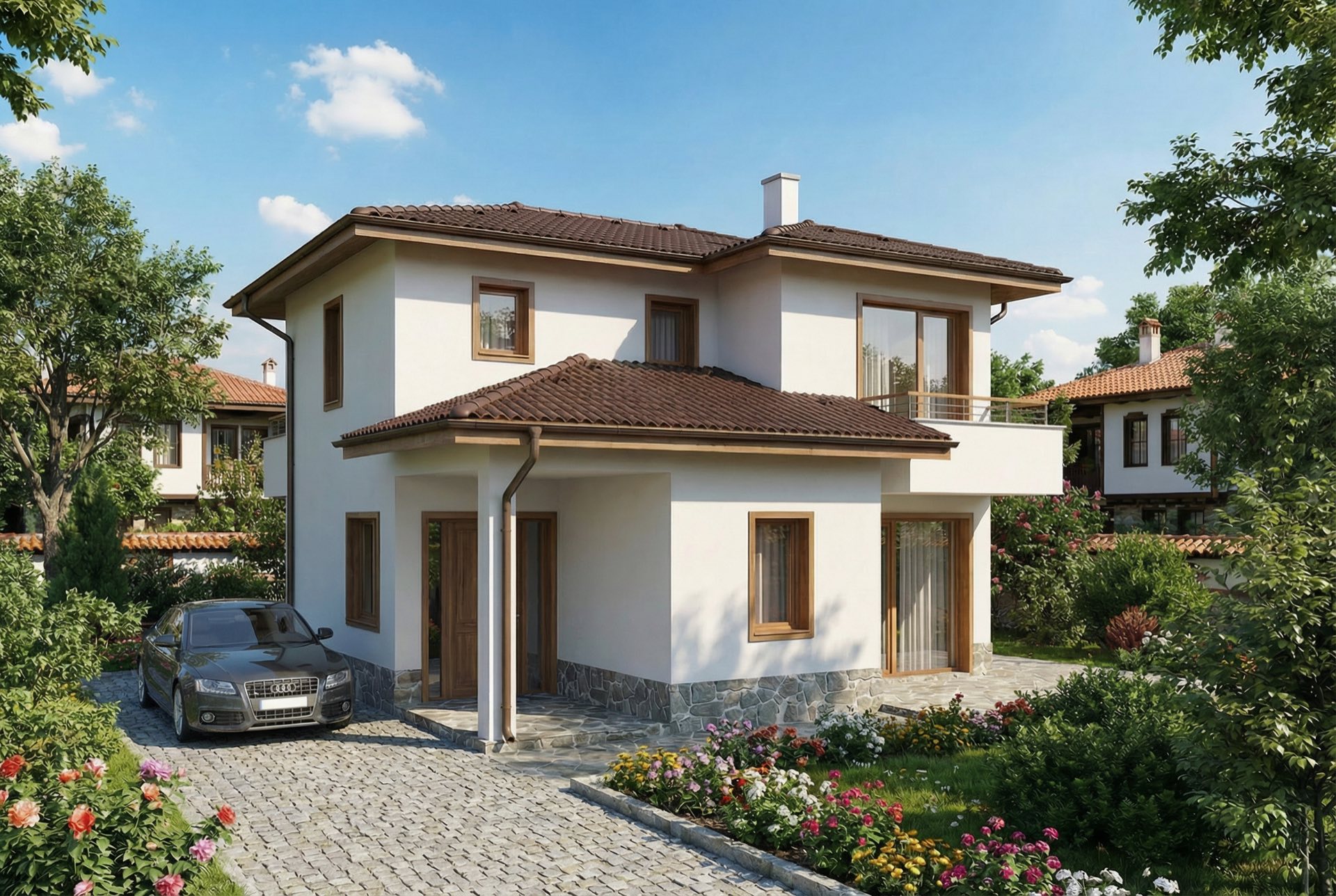
Traditional Bulgarian architecture reflects centuries of cultural heritage, from Ottoman-era influences to National Revival brilliance. Modern homes can incorporate these authentic elements while meeting contemporary living standards.
This guide explores how to bring traditional Bulgarian character to your new home.
Bulgarian Architectural Heritage
Historical Periods
Understanding the evolution:
Medieval period:
- Stone fortress architecture
- Church construction traditions
- Village vernacular building
Ottoman period (14th-19th century):
- Enclosed courtyards
- Privacy-focused design
- Modest street facades
- Interior richness
National Revival (18th-19th century):
- Distinctive “Bulgarian Renaissance” style
- Wealthy merchant homes
- Decorated facades
- Projecting upper floors
- Ornate wood carving
Regional Variations
Styles differ by location:
Plovdiv region:
- Symmetrical facades
- Painted decorations
- Enclosed courtyards
- Famous “Old Town” examples
Koprivshtitsa:
- Colorful painted houses
- Elaborate wood carving
- Stone ground floors
- National Revival icons
Rhodope Mountains:
- Stone construction
- Fortress-like ground floors
- Defensive architecture
- Narrow windows
Black Sea villages:
- Simpler construction
- Fishing community influence
- White-washed walls
- Practical layouts
Key Traditional Elements
Exterior Features
Authentic Bulgarian character:
Walls:
- Stone ground floor (protective)
- Timber-frame upper floors
- Rendered or exposed frame
- Whitewashed or painted
Roofs:
- Stone slabs (Rhodopes)
- Clay tiles (lowlands)
- Wide overhanging eaves
- Moderate pitches
Windows:
- Wooden frames
- Symmetrical placement
- Decorative surrounds
- Functional shutters
Porches/Balconies:
- Covered wooden galleries
- Carved balustrades
- Second-floor focus
- Village square facing
Interior Features
Traditional living spaces:
Ceilings:
- Exposed wooden beams
- Decorative carving
- Painted patterns
- High rooms (3m+)
Floors:
- Wide wood planks
- Stone ground floors
- Woven rugs (kilims)
- Painted patterns
Fireplaces:
- Central heating focus
- Decorative surrounds
- Built-in seating
- Cooking integration
Storage:
- Built-in cupboards
- Carved woodwork
- Chest furniture
- Wall niches
Modern Adaptations
Incorporating Traditional Elements
Using heritage in new construction:
Exterior options:
- Stone base (first 50-100cm)
- Wooden trim details
- Traditional color schemes
- Covered porch areas
- Decorative eaves
Interior options:
- Exposed beam ceilings
- Wide plank flooring
- Traditional fireplace
- Carved furniture pieces
- Kilim rugs and textiles
Regional Authenticity
Match your location:
Plovdiv area:
- Revival-inspired colors
- Decorative facade elements
- Courtyard layouts possible
- Painted interior details
Mountain regions (Troyan):
- Stone emphasis
- Rustic wood finishes
- Heavy timber construction
- Protective design
Varna/coastal:
- Simpler aesthetic
- White with blue accents
- Sea-facing orientation
- Practical layouts
Traditional Color Schemes
Exterior Colors
Historic palettes:
Revival period:
- Deep blues and reds
- Ochre and terracotta
- White with colored trim
- Natural wood tones
Village vernacular:
- Whitewashed walls
- Blue window frames
- Natural stone
- Earth tones
Interior Colors
Creating authentic atmosphere:
Wall colors:
- Warm whites
- Soft ochre
- Muted blues
- Natural plaster tones
Accent colors:
- Traditional red (Bulgarian rose)
- Deep blue
- Forest green
- Gold accents
Wood Carving Traditions
Tryavna School
Famous Bulgarian carving tradition:
Characteristics:
- Intricate floral patterns
- Sun motifs
- Geometric precision
- Gilded accents
Applications:
- Ceiling medallions
- Door surrounds
- Furniture pieces
- Icon screens
Modern Use
Incorporating carving today:
Options:
- Commissioned reproduction pieces
- Antique furniture inclusion
- Simple carved accents
- Pattern-inspired details
Cost range:
- Simple carved elements: €100-500
- Ceiling medallions: €300-1,000
- Furniture pieces: €500-5,000+
- Antique originals: Variable
Stone Construction
Traditional Stone Building
Bulgarian masonry heritage:
Dry stone:
- No mortar construction
- Rhodope specialty
- Retaining walls
- Garden features
Mortared stone:
- Lime mortar traditional
- Load-bearing walls
- Foundation and base
- Regional stone types
Modern Stone Use
Incorporating stone today:
Applications:
- Foundation facing
- Accent walls
- Fireplace surrounds
- Entrance features
- Garden walls
Costs:
- Local stone: €60-120/m²
- Dry stone wall: €100-200/m²
- Mortared wall: €150-250/m²
Courtyard Design
Traditional Courtyards
Private outdoor spaces:
Features:
- Enclosed walls
- Central garden
- Paved areas
- Shade trees
- Water features
Functions:
- Family gathering
- Summer living
- Private from street
- Food preparation
Modern Courtyards
Creating enclosed gardens:
Elements:
- Privacy walls or hedging
- Traditional paving
- Grape arbor (essential!)
- Outdoor dining
- Herb garden
Furniture and Textiles
Traditional Furniture
Authentic Bulgarian pieces:
Types:
- Carved wooden chests
- Low seating (minderi)
- Copper braziers
- Wooden cradles
- Storage cupboards
Sources:
- Antique shops
- Village finds
- Reproduction craftsmen
- Ethnographic museums (inspiration)
Traditional Textiles
Bulgarian weaving heritage:
Kilims (flat-weave rugs):
- Geometric patterns
- Regional designs
- Natural dyes
- Wall or floor use
Embroidered textiles:
- Table linens
- Cushion covers
- Wall hangings
- Ceremonial pieces
Cost Considerations
Traditional Element Costs
Adding authentic features:
| Element | Cost Range |
|---|---|
| Stone foundation facing | €60-120/m² |
| Wooden beam ceiling | €80-150/m² |
| Carved door surround | €300-800 |
| Traditional fireplace | €1,500-5,000 |
| Wide plank flooring | €40-80/m² |
| Custom wooden shutters | €200-500/window |
Value Engineering
Achieve the look for less:
- Focus on key visible elements
- Use stone at entry only
- Simple beam treatment
- Quality reproduction furniture
- Authentic textiles (affordable)
Our Plans with Traditional Character
Our designs adapt to traditional treatment:
C-101 (80m²):
- Compact traditional cottage
- Add stone base and wood trim
- Covered porch potential
- €2,168 (with 15% discount)
- View C-101 →
C-102 (97m²):
- Traditional family home scale
- Courtyard garden possible
- Beam ceiling ready
- €2,375 (with 15% discount)
- View C-102 →
Frequently Asked Questions
Can modern homes look traditionally Bulgarian?
Yes. Strategic use of traditional elements—stone bases, wooden details, appropriate colors, and authentic proportions—creates genuine Bulgarian character in new construction.
How much does traditional style add to cost?
Expect 10-20% premium for authentic traditional elements. You can achieve significant character for less by focusing on visible high-impact features and using quality reproduction elements.
Where can I find traditional materials?
Stone is readily available throughout Bulgaria. Traditional tiles, wood, and ironwork come from regional craftsmen. Plovdiv and Troyan regions have strong craft traditions.
Should I match local regional style?
Ideally yes. Traditional Bulgarian architecture varies significantly by region. Matching local style creates authenticity and harmony with surroundings.
Can I mix traditional and modern?
Absolutely. Many beautiful homes combine traditional exterior character with modern interior comfort. The key is thoughtful integration rather than random mixing.
Honor Bulgarian Heritage
Building with traditional Bulgarian elements connects your home to centuries of cultural heritage. Whether full Revival style or selective traditional accents, you can create authentically Bulgarian spaces.
Your next steps:
- Browse house plans — choose a base design
- Research your region’s traditions
- Plan traditional elements
- Contact Architect Miglena for heritage integration guidance
All plans include 15% discount—build your traditional Bulgarian home today.